
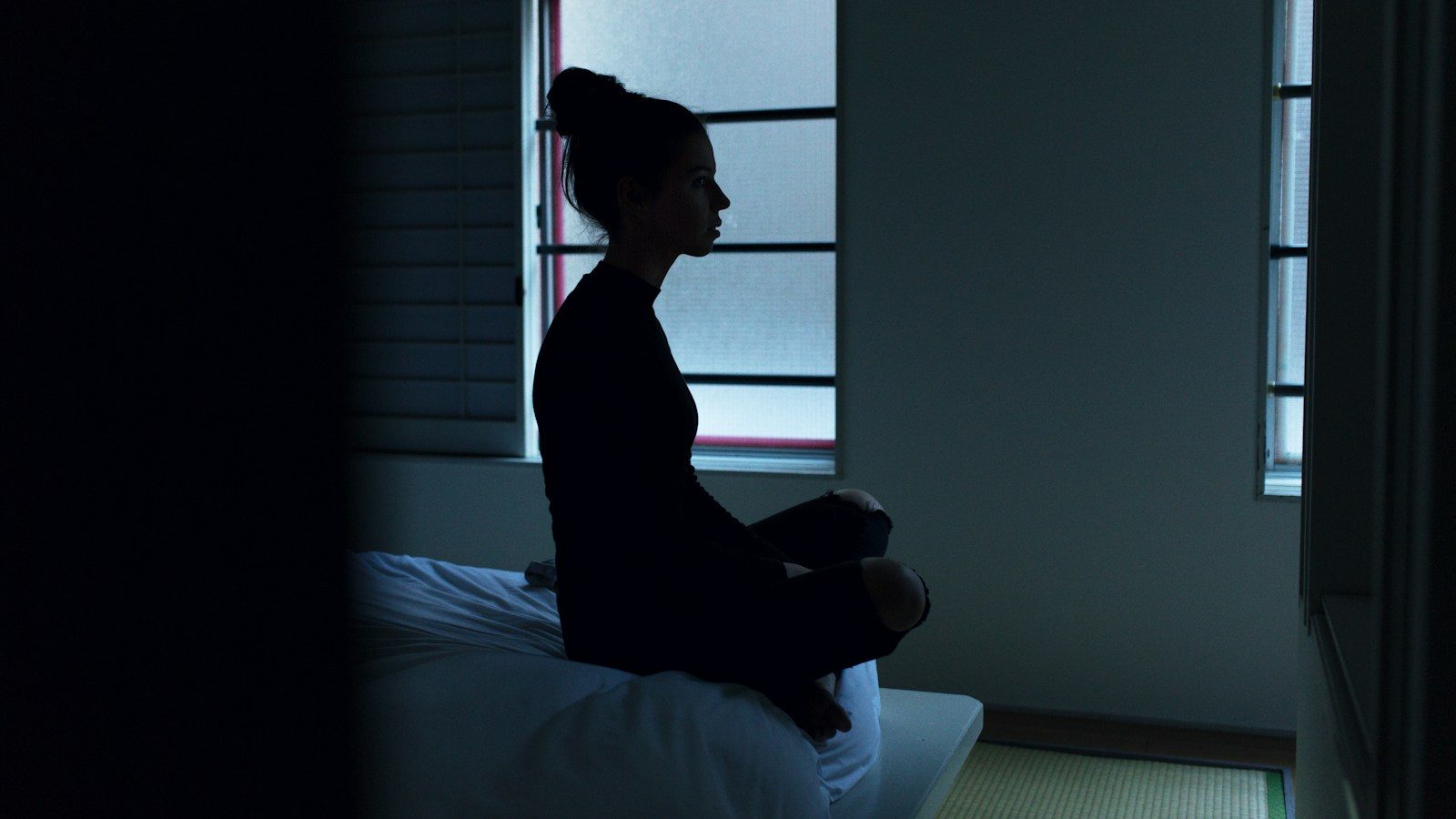
Breathing exercises for sleep are simple relaxation techniques that may help calm your mind, release tension, and prepare your body for rest. By focusing on gentle, controlled breathing, you can create a quieter transition from your busy day to bedtime.
These five exercises require no equipment and can be practiced in just a few minutes. You’ll learn how to perform each technique, choose the one that feels most comfortable, and build a simple bedtime breathing routine.
5 Best Breathing Exercises for Sleep
You don’t need to practice all five techniques every night. Start with one that feels natural, keep your breathing comfortable, and avoid forcing yourself to follow difficult counting patterns.
1. Diaphragmatic Breathing (Belly Breathing)
Best for: Beginners who want to relax physically before bedtime.
Practice time: 3–5 minutes.
Diaphragmatic breathing, also called belly breathing, focuses on using your diaphragm, the main muscle responsible for breathing.
It encourages natural movement through your abdomen and lower ribs while reducing unnecessary tension in your upper chest and shoulders.
Because you can practice it while lying in bed, belly breathing is one of the easiest breathing exercises to incorporate into your bedtime routine.
How to Do It
- Lie comfortably on your back with your knees slightly bent. Place a pillow beneath your knees if needed.
- Put one hand on your upper chest and the other on your abdomen, just below your rib cage.
- Slowly inhale through your nose, allowing your abdomen and lower ribs to expand naturally.
- Exhale gently through your nose or mouth. Feel your abdomen soften as the air leaves your lungs.
- Keep your shoulders and neck relaxed, allowing your upper chest to remain relatively still.
- Continue breathing comfortably for 3–5 minutes.
Common mistakes: Taking excessively deep breaths, pushing your abdomen outward forcefully, or raising your shoulders during inhalation. Your abdomen should expand naturally rather than through deliberate muscular pushing.
Beginner tip: Start with one minute and concentrate on feeling your abdomen rise and fall. You can gradually increase the duration as the movement becomes comfortable.
The Cleveland Clinic also recommends lying down when first learning diaphragmatic breathing because the position makes it easier to recognize abdominal movement.
2. 4-7-8 Breathing
Best for: People who prefer a structured breathing pattern to help redirect attention away from bedtime worries.
Practice: Start with four breathing cycles.
The 4-7-8 breathing technique uses a four-count inhalation, seven-count breath hold, and eight-count exhalation.
The counting sequence gives your mind something specific to focus on, while the controlled exhalation may encourage relaxation.
This technique was popularized by integrative medicine physician Dr. Andrew Weil.
How to Do It
- Sit comfortably with your back naturally upright. Once familiar with the exercise, you can also practice lying in bed.
- Place the tip of your tongue against the ridge just behind your upper front teeth.
- Exhale gently through your mouth, making a soft whooshing sound.
- Close your mouth and inhale quietly through your nose for four counts.
- Hold your breath comfortably for seven counts.
- Exhale slowly through your mouth for eight counts.
- Repeat until you complete four breathing cycles.
Common mistakes: Holding your breath until it becomes uncomfortable, inhaling too forcefully, or treating every count as a strict second. Use a counting pace that allows the entire sequence to feel manageable.
Beginner tip: If you cannot comfortably maintain the 4-7-8 pattern, don’t force it. Try extended-exhale breathing without breath holds instead.
According to Cleveland Clinic, some beginners may experience lightheadedness when learning this technique. Stop and return to normal breathing if this happens.
3. Extended-Exhale Breathing (4-6 Breathing)
Best for: Beginners who want a simple breathing exercise without holding their breath.
Practice time: 2–5 minutes.
Extended-exhale breathing involves making your exhalation slightly longer than your inhalation.
The 4-6 variation uses four counts to breathe in and six counts to breathe out.
Unlike 4-7-8 breathing, this technique does not require deliberate breath-holding, making it a useful alternative for people who find pauses uncomfortable.
How to Do It
- Sit comfortably or lie on your back in bed.
- Relax your shoulders, jaw, and abdominal muscles.
- Inhale gently through your nose for four counts.
- Exhale smoothly through your nose or mouth for six counts.
- Begin your next inhalation naturally, without deliberately holding your breath.
- Continue for 2–5 minutes.
Common mistakes: Forcing the six-count exhalation, emptying your lungs aggressively, or taking unusually large inhalations to prepare for the longer exhale.
Beginner tip: If four counts in and six counts out feels difficult, start with three counts in and four counts out. The goal is a comfortable, slightly longer exhalation—not a perfect number.
The US Department of Veterans Affairs includes the 4-6 pattern as one option for rhythmic breathing.
4. Box Breathing (4-4-4-4)
Best for: People who find predictable counting patterns helpful for concentration and relaxation.
Practice: Start with three or four complete cycles.
Box breathing is a four-part breathing technique. Each phase lasts four counts, forming a steady, repeatable rhythm.
It is commonly used for stress management and may be useful before bedtime when your attention feels scattered.
However, it involves two breath holds per cycle, so it may not feel as comfortable as belly breathing or extended-exhale breathing.
How to Do It
- Sit comfortably or lie down with your neck and shoulders relaxed.
- Inhale slowly through your nose for four counts.
- Hold your breath gently for four counts.
- Exhale slowly through your nose or mouth for four counts.
- Pause comfortably for another four counts before inhaling again.
- Repeat the sequence for three or four cycles, then return to natural breathing.
Common mistakes: Tensing your shoulders while holding your breath, taking oversized inhalations, or forcing the pause after exhaling.
Beginner tip: Practice only a few cycles initially. If the breath holds cause discomfort, switch to 4-6 breathing instead.
The Cleveland Clinic describes the same four-stage pattern and its use as a relaxation technique.
5. Mindful Breathing (Breath Awareness)
Best for: People who experience racing thoughts or have difficulty mentally unwinding before sleep.
Practice time: 3–5 minutes.
Mindful breathing differs from counted breathing techniques because you do not deliberately change how quickly or deeply you breathe.
Instead, you simply observe your natural breathing and gently return your attention to it whenever your mind wanders.
This makes it particularly useful for people who dislike following strict breathing rhythms.
How to Do It
- Sit comfortably on a chair or cushion with your back naturally upright.
- Rest your hands comfortably and relax your shoulders, neck, and jaw.
- Allow your breathing to follow its normal rhythm without trying to control it.
- Notice the feeling of air moving through your nostrils or the gentle movement of your abdomen.
- When your attention wanders, acknowledge the distraction without judging yourself.
- Gently bring your attention back to the sensation of breathing.
- Continue for 3–5 minutes.
Common mistakes: Trying to stop thoughts completely, deliberately slowing every breath, or becoming frustrated when your attention wanders.
Beginner tip: Start with two minutes. Once you’re comfortable with the technique, you can also practice while lying in bed.
The UCLA Mindful Awareness Research Center teaches observing natural breathing and gently returning attention when the mind wanders.
Do Breathing Exercises Really Help You Sleep?
Breathing exercises may support better sleep by helping you relax and shift your attention away from stressful thoughts.
A 2026 systematic review indexed by the National Library of Medicine examined nine studies involving 457 participants.
Researchers found that slow breathing before bedtime was associated with improvements in self-reported sleep quality and duration. However, findings from objective sleep measurements, including sleep studies and activity monitoring, were inconclusive.
The researchers concluded that more high-quality studies are needed.
These findings suggest that slow breathing can be a useful bedtime relaxation practice, but breathing exercises are not guaranteed to make you fall asleep faster or improve sleep for everyone.
There is also insufficient evidence to establish that one breathing technique works best for everyone.
How to Choose the Right Breathing Exercise for Sleep
The best breathing technique is usually the one you can perform comfortably and consistently.
| Your Preference | Recommended Exercise |
|---|---|
| You are completely new to breathing exercises | Diaphragmatic breathing |
| You prefer a structured relaxation technique | 4-7-8 breathing |
| You dislike holding your breath | Extended-exhale breathing |
| You find counting helps you focus | Box breathing |
| You want to relax without controlling your breath | Mindful breathing |
For most beginners, diaphragmatic breathing or extended-exhale breathing is a practical starting point because neither requires deliberate breath-holding.
If you find counting stressful or distracting, mindful breathing may be a better choice.
A Simple 5-Minute Breathing Routine Before Bed
You don’t need a lengthy breathing session to begin building a relaxing bedtime habit.
Try this five-minute routine using three complementary exercises.
| Time | Exercise | What to Do |
|---|---|---|
| 1 minute | Diaphragmatic Breathing | Lie comfortably and focus on gentle abdominal movement. |
| 2 minutes | Extended-Exhale Breathing | Inhale for four comfortable counts and exhale for six. |
| 2 minutes | Mindful Breathing | Stop counting and observe your natural breathing. |
How Often Should You Practice?
Frequency: Try the routine most evenings or nightly if it feels comfortable.
Effort level: Very gentle. You should not feel strained or short of breath.
Progression: Begin with two or three minutes if five minutes feels too long. Gradually increase your practice time as you become more comfortable.
You can perform the routine while lying in bed. If you prefer following UCLA’s seated mindful breathing demonstration exactly, complete that portion while sitting comfortably before getting into bed.
Once finished, simply return to natural breathing. There is no need to keep counting until you fall asleep.
Common Breathing Mistakes to Avoid Before Sleep
Breathing exercises should help you relax, not become another task you feel pressured to complete.
1. Breathing Too Deeply
Taking repeated, oversized breaths can make you feel uncomfortable or lightheaded.
What to do instead: Breathe gently and allow your abdomen and lower ribs to move naturally.
2. Holding Your Breath Too Long
Long breath holds can feel uncomfortable, especially if you are new to controlled breathing.
What to do instead: Use a shorter, comfortable rhythm or switch to an exercise without breath holds.
3. Forcing a Specific Breathing Count
Your comfortable breathing pace may differ from someone else’s.
What to do instead: Treat the counts as a guide. Never struggle to finish an inhalation or exhalation.
4. Tensing Your Shoulders and Jaw
Holding unnecessary muscle tension can make relaxation more difficult.
What to do instead: Keep your shoulders soft, your neck supported, and your jaw relaxed.
5. Trying Too Hard to Fall Asleep
Constantly checking whether a technique is making you sleepy can make the practice frustrating.
What to do instead: Focus on breathing comfortably rather than measuring how quickly you fall asleep.
Important Safety Considerations
Stop the exercise and return to normal breathing if you feel lightheaded or uncomfortable.
Seek appropriate medical help if breathing exercises cause sharp pain, numbness, dizziness that does not settle, chest pain, unusual breathlessness, or other concerning symptoms.
If you have a respiratory or cardiovascular condition, ask your healthcare professional whether deliberate breath-holding techniques are appropriate for you.
Frequently Asked Questions
1. What Is the Best Breathing Exercise for Falling Asleep?
Diaphragmatic breathing and extended-exhale breathing are good starting options because they are simple and do not require breath-holding.
However, no single technique has been proven to work best for everyone.
Choose an exercise that feels comfortable and helps you relax without additional effort.
2. Does the 4-7-8 Breathing Technique Really Work?
The 4-7-8 technique may help some people relax by combining controlled breathing with focused counting.
However, research does not establish that it reliably makes everyone fall asleep within a particular number of seconds or minutes.
If the breath hold feels uncomfortable, use a gentler breathing technique.
3. How Long Should You Do Breathing Exercises Before Bed?
Start with approximately 3–5 minutes.
Some people prefer shorter sessions, while others enjoy practicing for 10 minutes or longer.
Consistency and comfort are more important than completing a specific duration.
4. Can You Do Breathing Exercises While Lying in Bed?
Yes. Diaphragmatic breathing, extended-exhale breathing, and 4-7-8 breathing can be practiced while lying comfortably in bed.
Box breathing can also be performed lying down if the breath holds feel comfortable.
Mindful breathing can be practiced sitting or lying down, although the UCLA demonstration included above uses a seated position.
5. Is It Safe to Practice Breathing Exercises Every Night?
Gentle breathing exercises are generally suitable for regular practice when performed without strain.
Avoid forced breathing, prolonged breath holds, or breathing patterns that cause dizziness or discomfort.
People with relevant medical conditions should seek individualized guidance before practicing techniques involving breath holds.
6. What If Breathing Exercises Don’t Help Me Sleep?
Breathing exercises are relaxation tools, not a guaranteed solution for sleep difficulties.
If they don’t help, avoid forcing the practice. You may prefer other calming bedtime activities, such as reading, gentle stretching, or relaxing in a quiet environment.
If you regularly struggle to fall asleep, wake repeatedly during the night, or experience significant daytime fatigue, speak with a healthcare professional.
The National Heart, Lung, and Blood Institute recommends cognitive behavioral therapy for insomnia (CBT-I) as a first treatment option for long-term insomnia.
The Bottom Line
Breathing exercises for sleep offer a simple way to unwind, reduce tension, and develop a calming bedtime routine.
Start with diaphragmatic breathing or extended-exhale breathing if you’re a beginner. Try 4-7-8 or box breathing if you prefer structured counting, or choose mindful breathing if you would rather observe your breath naturally.
Pick one comfortable technique, practice it regularly, and focus on relaxation rather than trying to force yourself to sleep.
This content is for informational purposes only and is not a substitute for medical advice.
References
- Slow Breathing Techniques Before Bedtime and the Effects on Sleep: A Systematic Review — Sleep Medicine Reviews (2026)
- Diaphragmatic Breathing Exercises and Benefits — Cleveland Clinic
- How to Do the 4-7-8 Breathing Exercise — Cleveland Clinic
- How Box Breathing Can Help You Destress — Cleveland Clinic
- Breathing and Relaxation Practices — US Department of Veterans Affairs
- Guided Mindfulness Meditations — UCLA Health
- Insomnia Treatment — National Heart, Lung, and Blood Institute