
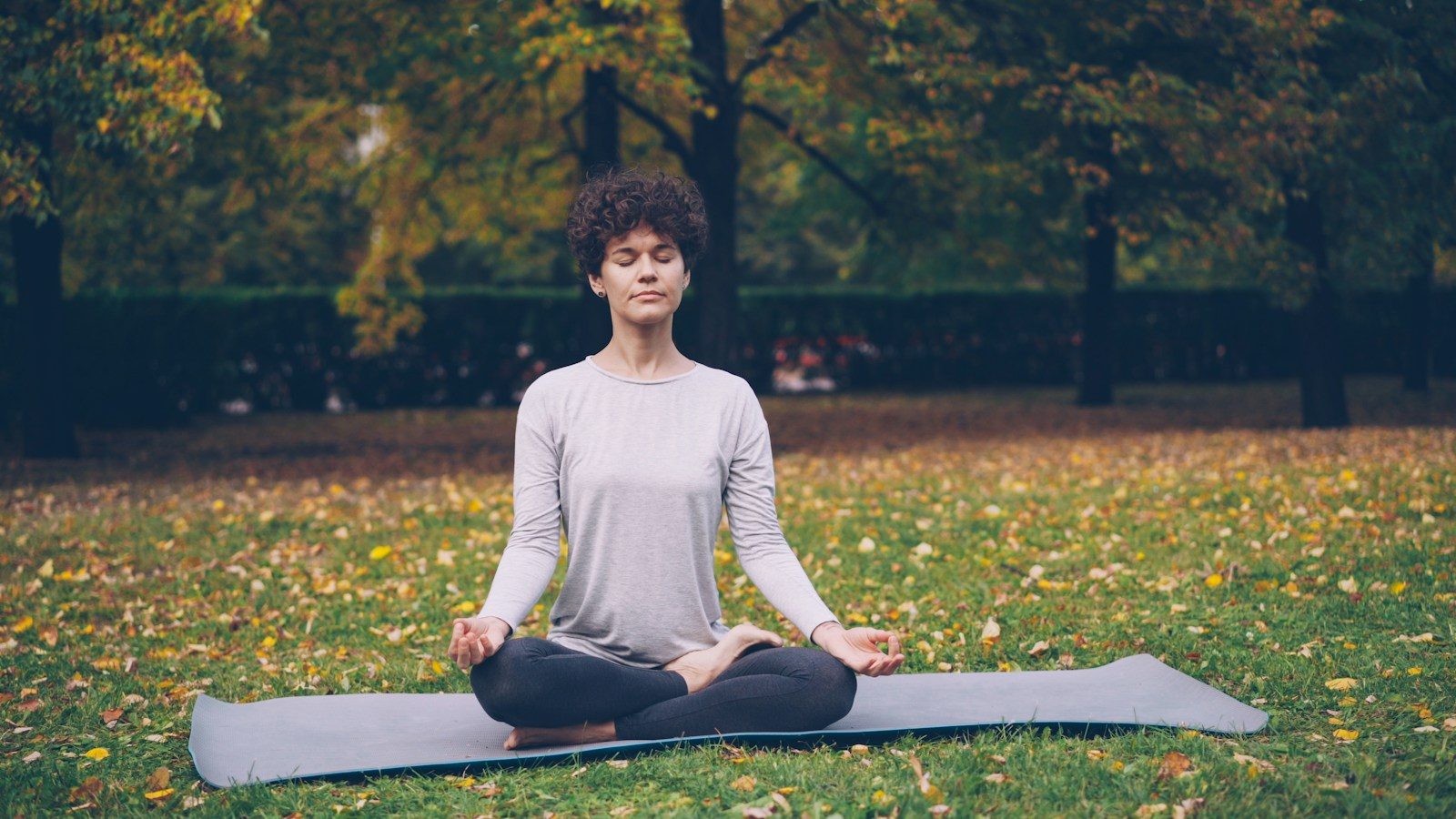
Breathing exercises can help improve breathing control, support respiratory muscle function, and make breathing more efficient, but they generally cannot increase the total air capacity of healthy adult lungs. These six breathing exercises to increase lung capacity focus on diaphragm movement, chest expansion, controlled exhalation, and breathing during physical activity.
You can practice most of them at home without special equipment. The key is to breathe comfortably, use proper technique, and progress gradually.
6 Breathing Exercises to Increase Lung Capacity Safely
Start with diaphragmatic breathing and pursed-lip breathing if you are a beginner. The other exercises help you practice chest expansion, coordinate breathing with walking, or strengthen your inhalation muscles.
1. Diaphragmatic Breathing (Belly Breathing)
Best for: Beginners learning to breathe with less unnecessary upper-chest tension.
Muscles involved: Primarily the diaphragm, assisted by the intercostal muscles between the ribs.
Equipment: None.
Practice: Start with 1–2 minutes and gradually build toward 5–10 minutes as comfortable.
Diaphragmatic breathing encourages you to use your main breathing muscle effectively. It can help you practice a slower breathing pattern and reduce unnecessary shoulder and neck movement.
How to Do It
- Sit upright in a comfortable chair with your feet supported and shoulders relaxed.
- Place one hand on your abdomen and the other on your upper chest.
- Slowly inhale through your nose, allowing your abdomen to rise naturally.
- Exhale gently through pursed lips, feeling your abdomen lower.
- Continue breathing slowly while keeping your upper body relaxed.
Common mistakes: Raising your shoulders, forcing your stomach outward, or taking excessively deep breaths. Your abdomen should move naturally rather than being pushed outward.
Beginner modification: Lie on your back with your knees bent if you find it difficult to feel diaphragm movement while sitting.
The American Lung Association recommends regular practice of diaphragmatic breathing to help improve breathing control, particularly for people with chronic lung conditions.
2. Pursed-Lip Breathing
Best for: Controlling exhalation and managing mild, familiar breathlessness during everyday activities.
Main focus: Slower exhalation and improved airflow control.
Equipment: None.
Practice: Try 1–2 minutes when comfortable, or use the technique during activity as appropriate.
Pursed-lip breathing slows the release of air from your lungs. It may be particularly useful for people with conditions such as COPD because it can help keep smaller airways open longer during exhalation.
How to Do It
- Sit comfortably and relax your neck, shoulders, and jaw.
- Close your mouth and inhale gently through your nose for approximately 2 seconds.
- Purse your lips as though you are about to whistle or gently blow out a candle.
- Exhale slowly through your pursed lips for approximately 4 seconds.
- Repeat at a comfortable pace without forcing air out.
Common mistakes: Blowing too hard, tightening your face, or trying to maintain a breathing count that feels uncomfortable.
Coaching tip: Aim for a longer, relaxed exhalation. The 2-second inhale and 4-second exhale are examples, not strict requirements.
3. Thoracic Expansion Breathing
Best for: Practicing fuller chest expansion and controlled deeper breathing.
Muscles involved: Diaphragm and intercostal muscles.
Equipment: A sturdy chair.
Practice: Perform 3–4 comfortable deeper breaths, returning to normal breathing afterward.
Thoracic expansion breathing emphasizes a slow, deeper inhalation followed by a relaxed exhalation.
This technique is also used in respiratory physiotherapy as part of the Active Cycle of Breathing Techniques (ACBT), which can help with airway clearance when clinically appropriate.
How to Do It
- Sit upright with your feet flat on the floor and your shoulders relaxed.
- Place your hands lightly against the sides of your lower rib cage.
- Inhale slowly through your nose, allowing your chest and ribs to expand as fully as is comfortable.
- If comfortable, pause briefly for 1–2 seconds without straining.
- Exhale gently through your mouth and allow your ribs to settle.
- Repeat 3–4 times, then return to normal, relaxed breathing.
Common mistakes: Lifting the shoulders, arching your lower back excessively, or taking repeated maximum-effort breaths without resting.
Safety tip: Keep the breathing comfortable. Skip the optional pause if it causes discomfort, and avoid prolonged breath-holding.
The Leeds Teaching Hospitals NHS Trust describes thoracic expansion exercises as a series of slow, deeper breaths used in respiratory physiotherapy.
4. 360-Degree Rib Cage Breathing With a Band
Best for: Learning to expand the lower rib cage sideways and backward during inhalation.
Muscles involved: Diaphragm and intercostal muscles.
Equipment: A soft belt or long, flat resistance band.
Practice: Begin with 5–8 comfortable breaths.
360-degree breathing uses a band or belt for gentle tactile feedback around your lower rib cage.
Instead of concentrating only on abdominal movement, you learn to notice how your lower ribs expand in several directions during inhalation. This can improve awareness and coordination of your breathing pattern.
How to Do It
- Sit upright in a comfortable chair with your feet supported.
- Wrap a long, flat band or soft belt loosely around your lower rib cage.
- Hold the ends with enough contact to feel your ribs move, without squeezing your chest.
- Inhale slowly through your nose and feel your lower ribs expand outward into the band, including toward your sides and back.
- Exhale gently through your mouth, allowing your rib cage to return naturally.
- Repeat for 5–8 relaxed breaths.
Common mistakes: Pulling the band too tightly, lifting the shoulders, forcing the abdomen outward, or excessively arching the back.
Beginner modification: Place your hands around the sides of your lower ribs instead of using a band.
Coaching cue: Feel gentle expansion around your lower torso rather than pushing all the air toward the front of your abdomen.
5. Paced Breathing While Walking
Best for: Coordinating breathing with walking and practicing breath control during light physical activity.
Main focus: Breathing rhythm, movement coordination, and activity pacing.
Equipment: Comfortable walking shoes and a safe, level walking area.
Practice: Start with 3–5 minutes of comfortable walking.
Paced breathing involves matching your inhalations and exhalations to your walking steps.
It can help you avoid rushing your breathing during physical activity. The goal is a comfortable rhythm, not a particular breath count.
How to Do It
- Begin walking slowly on a level surface.
- Keep your shoulders relaxed and your posture naturally upright.
- Inhale gently over two or three comfortable steps.
- Exhale over the next three or four steps.
- Adjust the rhythm to match your walking speed and breathing comfort.
- Continue for several minutes, slowing down or resting when necessary.
Common mistakes: Walking too quickly, forcing long breaths, holding your breath between steps, or concentrating so hard on counting that your breathing becomes uncomfortable.
Beginner modification: Try inhaling for one step and exhaling for two steps. Adjust the rhythm whenever needed.
The Cambridge University Hospitals NHS recommends breathing in rhythm with walking as one way to manage breathing during activity.
6. Inspiratory Muscle Training With a Breathing Device
Best for: People who need a structured way to strengthen the muscles used during inhalation.
Muscles worked: Primarily the diaphragm and inspiratory intercostal muscles, with assistance from other inhalation muscles.
Equipment: An appropriate inspiratory muscle training device, such as a POWERbreathe IMT device.
Practice: Follow an individualized resistance, repetition, and rest plan. Professional guidance is particularly important for people with respiratory or cardiovascular conditions.
Inspiratory muscle training (IMT) differs from ordinary breathing exercises because it applies resistance while you inhale.
Like resistance training for other muscles, appropriately prescribed IMT can improve breathing muscle strength and endurance.
A 2024 systematic review published in Life and indexed by PubMed found that inspiratory muscle training improved inspiratory muscle strength, breathlessness, and quality of life among people with COPD. These findings do not mean it increases the anatomical size of healthy lungs.
How to Do It
- Sit or stand upright with your shoulders relaxed.
- Set the device to the resistance recommended by your clinician or appropriate device-specific training instructions.
- Place the mouthpiece in your mouth and create a secure seal with your lips. Use a nose clip if recommended.
- Breathe out gently, then take a strong, controlled inhalation through the device against its resistance.
- Exhale slowly and with minimal effort through the mouthpiece.
- Pause as needed and repeat according to your prescribed training plan.
Common mistakes: Choosing excessive resistance, shrugging the shoulders, straining the neck, or breathing too rapidly between repetitions.
Progression: Increase resistance only when you can complete your prescribed training breaths with good technique and without excessive discomfort.
The South Tees Hospitals NHS Foundation Trust provides guidance on appropriate positioning, breathing technique, and supervised progression.
Important: IMT is optional and is not necessary for a basic daily breathing routine. Consult a qualified healthcare professional before using a breathing resistance device if you have a diagnosed lung or heart condition.
What Are the Benefits of Breathing Exercises?
Breathing exercises work in different ways. Their benefits depend on the technique, the person’s health, and consistent practice.
| Potential benefit | How breathing exercises may help |
|---|---|
| Better breathing control | Encourage slower, more comfortable inhalation and exhalation |
| More efficient diaphragm use | Improve awareness and coordination of diaphragm movement |
| Controlled exhalation | Pursed-lip breathing may help reduce air trapping in certain lung conditions |
| Improved chest movement awareness | Thoracic and 360-degree breathing emphasize rib cage expansion |
| Better breathing during activity | Paced breathing coordinates breath with walking and everyday movements |
| Stronger inhalation muscles | Appropriately prescribed inspiratory muscle training provides resistance |
These improvements do not necessarily mean your lungs can hold more air.
As the Cleveland Clinic explains, healthy adult lung capacity is largely determined by physical structure. Breathing practice and exercise are generally more useful for improving how efficiently you breathe and function.
Simple Daily Breathing Exercise Routine for Beginners
You do not need to perform every exercise in one session. Start with gentle breathing control, include a few chest-expansion breaths, and finish with comfortable movement.
Here is a practical routine for beginners.
| Exercise | Amount |
|---|---|
| Diaphragmatic Breathing | 2 minutes |
| Pursed-Lip Breathing | 1 minute |
| Thoracic Expansion Breathing | 3–4 deeper breaths, with normal breathing between |
| 360-Degree Rib Cage Breathing | 5 comfortable breaths |
| Paced Breathing While Walking | 3–5 minutes |
Total time: Approximately 7–10 minutes, including short transitions and rests.
Frequency: Try the routine once daily if comfortable. You can also practice diaphragmatic or pursed-lip breathing separately.
Effort level: Easy. Breathing should remain controlled, and you should not feel faint, distressed, or unusually breathless.
Progression: First improve technique. Then gradually extend your relaxed breathing practice or walking duration. You do not need to take progressively deeper breaths or increase your breath-holding time.
People with diagnosed respiratory conditions should follow any individualized guidance from their healthcare team.
Common Mistakes to Avoid
1. Taking Every Breath as Deeply as Possible
Repeated forceful breaths can cause lightheadedness and discomfort. Most breathing-control exercises should feel gentle, not exhausting.
2. Breathing Too Quickly
Rapid breathing can disrupt your normal breathing pattern. Slow down and return to comfortable, natural breaths whenever needed.
3. Raising Your Shoulders
Excessive neck and shoulder tension can make breathing exercises harder than necessary. Keep your upper body relaxed, allowing your rib cage and diaphragm to move naturally.
4. Holding Your Breath Too Long
Some clinically guided techniques use brief pauses, but prolonged breath-holding is not necessary for general breathing practice.
5. Expecting Immediate Changes in Lung Capacity
Feeling more comfortable with breathing does not prove that your total lung capacity has increased. Focus on breathing control, comfortable movement, and gradual improvements in daily activity.
How to Practice Breathing Exercises Safely
Choose a comfortable, well-ventilated location and begin in a supported sitting position. Avoid practicing immediately after strenuous activity if you have not recovered your normal breathing.
Keep these precautions in mind:
- Start with short, gentle sessions rather than long periods of repeated deep breathing.
- Return to normal breathing whenever you feel uncomfortable.
- Do not force a particular inhalation or exhalation count.
- Avoid prolonged breath-holding or practicing breath-holding underwater.
- Consult a healthcare professional for individualized advice if you have asthma, COPD, heart disease, recent chest or abdominal surgery, or unexplained breathing symptoms.
Stop exercising and seek appropriate professional help if you experience sharp pain, numbness, dizziness, chest pain, or unusual symptoms. Sudden or severe difficulty breathing, particularly with chest pain or fainting, requires emergency medical assistance.
Breathing exercises should complement, not replace, prescribed medications, medical treatment, or pulmonary rehabilitation.
Frequently Asked Questions
1. Can breathing exercises actually increase lung capacity?
Breathing exercises can help improve breathing control, diaphragm coordination, and respiratory muscle performance. However, they generally do not increase the total amount of air healthy adult lungs can physically hold.
Some people with respiratory conditions may experience improvements in particular lung-function measures through appropriate treatment and rehabilitation, but results vary.
2. Which breathing exercise is best for beginners?
Diaphragmatic breathing is a practical starting point because it requires no equipment and helps you become more aware of your natural breathing pattern.
Pursed-lip breathing is another useful beginner technique, especially for practicing a slower exhalation.
3. How often should I do breathing exercises?
A short daily practice is a reasonable starting point. The American Lung Association recommends practicing diaphragmatic and pursed-lip breathing regularly, often for about 5–10 minutes per day.
Start with less time if needed and increase gradually as your breathing remains comfortable.
4. How long does it take to notice improvements?
You may become more comfortable with a breathing technique after several practice sessions. Improvements in respiratory muscle strength or activity tolerance generally require consistent training over a longer period.
The timeline depends on your baseline fitness, health conditions, exercise choice, and training frequency.
5. Can breathing exercises help people with asthma or COPD?
Certain techniques, particularly pursed-lip and diaphragmatic breathing, may help some people with chronic respiratory conditions manage their breathing more effectively.
However, techniques should be individualized. They do not replace prescribed inhalers, medications, or pulmonary rehabilitation. People with significant symptoms should practice under professional guidance.
6. Does holding your breath increase lung capacity?
Prolonged breath-holding does not reliably increase the anatomical capacity of healthy adult lungs. Although structured breath-hold training can change breath-hold tolerance, it is not necessary for most people trying to breathe more comfortably.
Gentle, controlled breathing and regular physical activity are more appropriate starting points.
The Bottom Line
Breathing exercises can help you improve breathing control, use your diaphragm more effectively, and coordinate breathing with everyday activities.
Start with diaphragmatic and pursed-lip breathing, then add chest-expansion practice or paced walking as comfortable. Inspiratory muscle training may be useful when a structured resistance program is appropriate.
Focus on comfortable, consistent practice rather than trying to force your lungs to hold more air. Pair your breathing routine with regular physical activity and healthy lung habits for the greatest practical benefit.
References
- American Lung Association — Breathing Exercises
- Cleveland Clinic — Lung Capacity: What Is It and Can You Improve It?
- Leeds Teaching Hospitals NHS Trust — Active Cycle of Breathing Techniques
- Cambridge University Hospitals NHS — Breathing Pattern Disorders and Physiotherapy
- South Tees Hospitals NHS Foundation Trust — Inspiratory Muscle Training
- PubMed — Effects of Inspiratory Muscle Training in People With COPD: A Systematic Review and Meta-Analysis (2024)
- University Hospitals Plymouth NHS Trust — Managing Breathlessness
This content is for informational purposes only and is not a substitute for medical advice.